Evaluate models, example work sequences and diagnostic cases to support your teaching. Discuss how the content fits your syllabus and institutional needs.
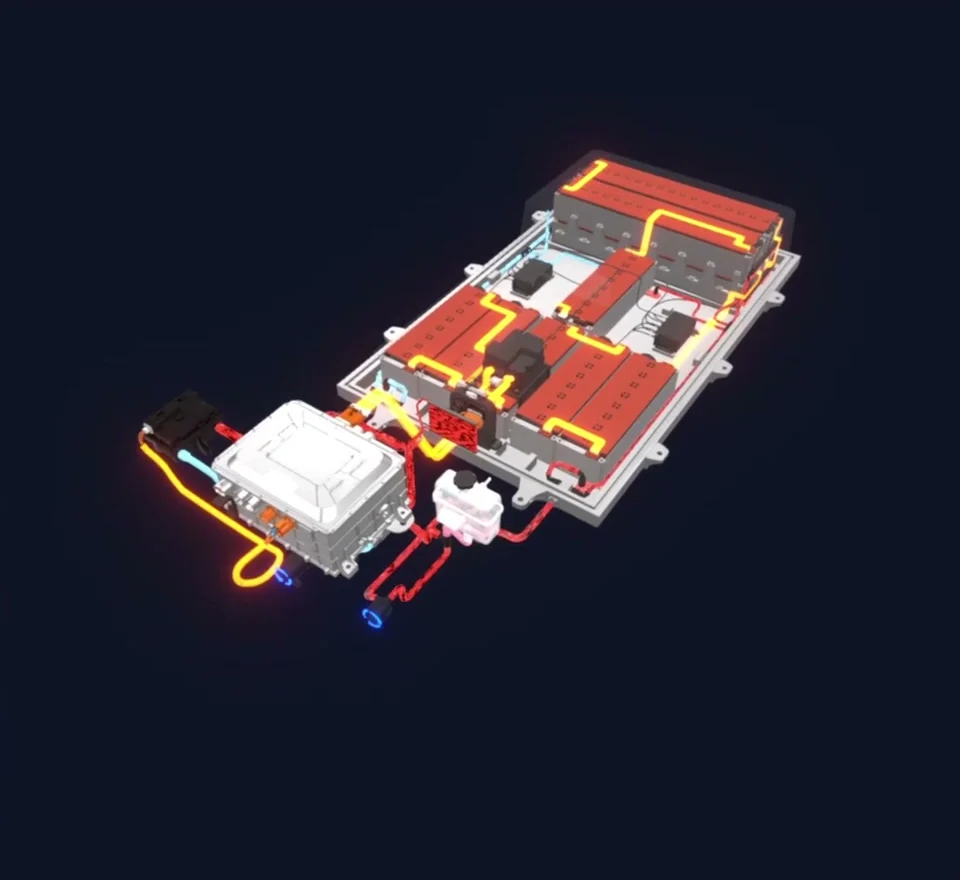
Explain structures from the complete system to individual parts.
Discuss what changes at each simulation stage.
Evaluate selected content before making a decision.
iSimulation supports learning. Work on real vehicles, particularly high-voltage systems, requires appropriate training, supervision and safety procedures.
03 / GET STARTED
Start with your topics.
Choose the courses you need. Discuss trial access with our team.
01
Choose your learning needs
Select your role and tell us what you would like to discuss. Your name and institution are optional.
02
Review and send in WhatsApp
The button opens WhatsApp with a draft message. Review it, then press Send in WhatsApp.
03
Discuss access with our team
Our team will review your request and confirm modules, duration and access terms. Accounts are not issued automatically.
If WhatsApp does not open, email w1896212@outlook.com and tell us your role and what you would like to discuss.
FAQ
Frequently asked questions
The demo shows the original interface language. Ask us which content languages are available.
Is the platform for individuals or institutions?+
Both can enquire. Individuals can ask about independent learning, while educators and institutions can discuss demonstrations and content for classroom use. Access options are confirmed according to your needs.
Which courses and content languages are available?+
The automotive curriculum covers 12 courses with 609 modules: 8 theory courses and 4 practical courses. Theory covers engine systems, drive systems, battery systems, electronic control systems, automotive tools, chassis systems, an introduction to automotive theory and intelligent connected vehicles. Practical courses cover disassembly and assembly of drive systems, traction batteries and electronic control systems, plus new energy vehicle fault diagnosis. This website is available in Bahasa Melayu and English. Check with our team which interface and content languages are available for the courses you want to evaluate.
How do I request a trial?+
Choose your role and describe what you would like to discuss in the form, then open WhatsApp to review the draft message. You must press Send in WhatsApp yourself. Once we receive your message, our team will discuss the next steps. The form does not issue a trial account automatically.
How long is the trial, and what does it cost?+
Our team will confirm the duration, modules, access rights and any trial fees or conditions before access is provided. This website does not set a trial duration or price. Ask for the details relevant to your needs through WhatsApp.
Can I use the platform on a phone?+
This website is designed for reading and making enquiries on a phone. That does not confirm that the simulation software runs on a phone. Check operating system, browser, hardware and access requirements with our team before requesting access.
Does simulation replace practical training or provide certification?+
Simulation supports learning about structures, principles and example work sequences. It does not replace supervised practical training or manufacturer safety procedures. This website does not promise certification, professional qualifications or employment outcomes.
LET’S TALK
Bring your questions. We’ll show you the platform.
Discuss the content, demonstrations and access options for your learning or institution.